
Зміст
Airports and transit hubs are hard places for digital displays. People are tired, rushed, distracted, and carrying bags. A screen has to be visible without becoming visual noise. It also has to survive long hours and constant public traffic.
Flexible LED screens can work well in these environments when they solve architectural problems instead of simply adding more brightness.
Use Curves to Guide Movement
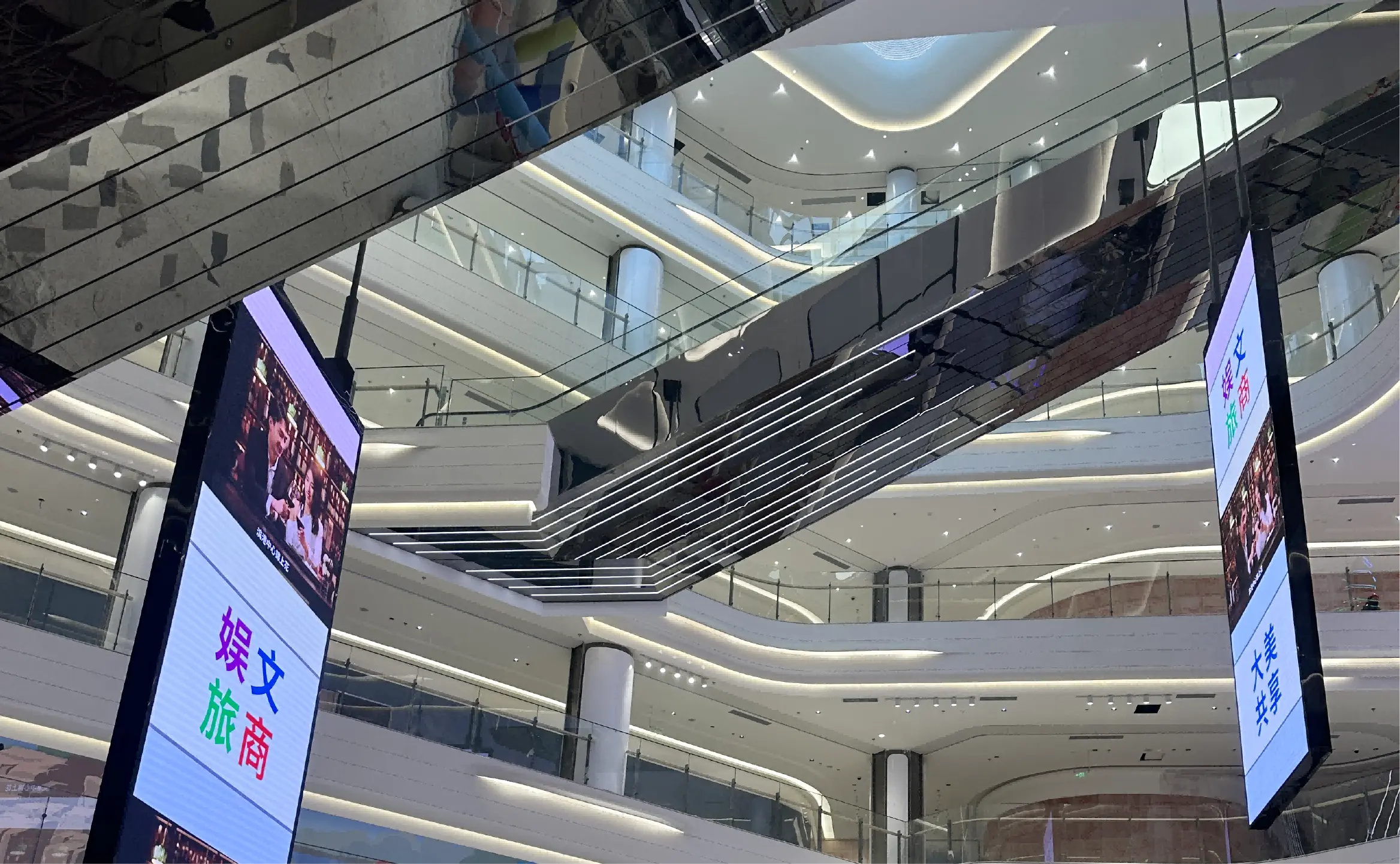
Transit spaces are built around flow. A curved display can help guide people around a corner, toward a gate area, or into a retail zone. Unlike a flat sign, a curved screen can remain visible from multiple approaches.
This is useful in terminal concourses, station entrances, baggage areas, and commercial corridors where the viewer is rarely standing still.
For larger public environments, Esdlumen commercial displays are relevant because the project requirements often sit between architecture, advertising, and long-hour operation.
Keep Messaging Simple
Transit screens should be easy to understand quickly. Flexible LED screens can carry brand campaigns, wayfinding support, public information, or ambient visual identity, but they should not overload travelers with dense text.
A good rule is to separate functional information from brand storytelling. Flight directions, emergency messaging, and public notices must stay clear. Brand or retail content can use more motion and atmosphere.
Think About Durability and Cleaning
Public spaces expose displays to dust, cleaning routines, accidental contact, and long operating schedules. The screen surface, mounting method, ventilation, and service access all matter.
According to the U.S. Department of Energy, LED technology can offer strong efficiency benefits compared with older lighting technologies, but actual operating performance depends on use and system design. In airports and stations, long daily run times make that especially important.
Where Flexible Screens Fit Best
Flexible LED screens are useful in:
- Curved retail corridors
- Wrapped columns near duty-free stores
- Arrival hall brand features
- Transit advertising corners
- Station concourse media bands
- Architectural entrance displays
They are less useful where a standard flat sign would be clearer, cheaper, and easier to service. The shape should earn its place.
Viewing Distance and Brightness
Transit viewers may see the display from far away and then pass close to it. That means pixel pitch and brightness must be balanced. A screen that looks good from 50 feet but rough from 5 feet may not work in a narrow corridor.
Brightness should also fit the space. Overly bright screens can create glare, especially near glass, polished floors, or nighttime environments.
Public Displays Need Quiet Confidence
The best transit displays are not always the loudest. They are legible, durable, and integrated with the building. A flexible screen should support the movement of people through the space.
For airports, stations, and other high-traffic interiors, the broader commercial LED display options page is a practical place to start before narrowing the project to fixed, curved, or creative formats.
A flexible LED screen in a transit hub should feel like part of the architecture, not a billboard that got lost indoors.

